Imagine it is 3:30 PM in peak summer and sunlight is coming into your living room, heating up the sofa and fading your cushions.
You pull the curtains shut but now the space feels dark and disconnected from the outdoors. This everyday situation is exactly why choosing the right window treatment matters more than most homeowners realize.
According to industry reports, nearly 65% of homeowners cite light control and privacy as the primary reasons for installing blinds rather than leaving windows bare.
Yet many struggle to decide which option works best for their space. With so many types of window blinds available, selecting the right one can feel overwhelming.
This guide will walk you through the different types of window blinds in detail and help you make a well-informed decision based on room type, climate, and functionality.
Window blinds are not just decorative accessories, they influence natural light, energy efficiency, privacy, maintenance, and even the perceived size of a room.
For example, in Indian cities where summer temperatures often exceed 40°C, the right blinds can reduce indoor heat gain by up to 30%, helping cut air-conditioning costs. In apartments facing busy streets this type of privacy becomes equally important.
When you are choosing the various types of window blinds, it is essential to consider practical performance.
Not all blinds are created equal; some are built to block heat, some to filter light, and others to enhance the entire look of a room. The real difference lies in the types of window blinds available and how each one performs in everyday living.
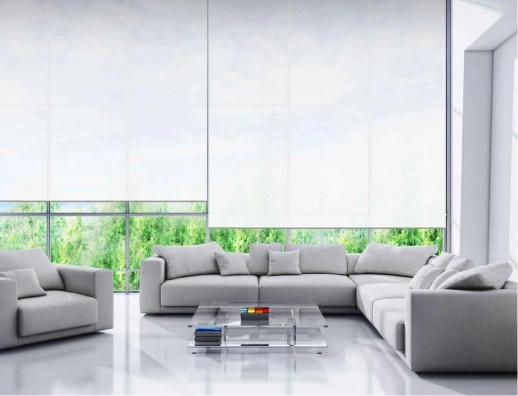
Roller blinds are one of the most widely used and functional options in modern homes. They consist of a single piece of fabric that rolls up neatly into a casing at the top.
Roller blinds are ideal for:
They are available in sunscreen, dim-out, and blackout fabrics. For example, sunscreen roller blinds allow filtered light while blocking UV rays. These are perfect for living rooms that receive harsh afternoon sun.
Blackout roller blinds are highly effective in bedrooms or media rooms and their maintenance is straightforward.
The best part? Only a quick wipe with a damp cloth keeps them clean. However, they may not offer the layered, decorative look that some homeowners prefer.
Venetian blinds feature horizontal slats made of aluminum, wood, or PVC. These slats can be tilted to control light without fully lifting the blind.
Venetian blinds work well in:
Their adjustable slats allow precise light control. For example, in a home office, you can tilt the slats upward to reduce screen glare while still letting in daylight.
Aluminum versions are durable and moisture-resistant, which makes them suitable for kitchens. Wooden Venetian blinds offer a premium aesthetic but require dry conditions to prevent warping Among all types of window blinds, Venetian blinds are particularly appreciated for their flexibility in light adjustment.
Vertical blinds consist of vertical fabric or PVC slats that slide sideways. They are often installed on large windows and sliding glass doors.
If your home has balcony doors or wide window panels, vertical blinds provide smooth operation and wide coverage. They are especially useful in living rooms with floor-to-ceiling glass.
Unlike curtains, vertical blinds do not consume floor space and they are also easier to maintain compared to heavy drapes.
However, in areas with strong cross-ventilation, lightweight vertical slats may move excessively unless secured properly.
Roman blinds are suitable for:
They add warmth and texture. Unlike roller blinds, they offer a more decorative appearance while still providing structured coverage.
For example, in a master bedroom, linen Roman blinds can create a relaxed yet elegant feel. However, they require periodic cleaning, especially in dusty climates.

Zebra blinds feature alternating sheer and opaque fabric strips that slide over each other to adjust light levels.
These blinds are ideal for:
They allow you to shift from full daylight to partial privacy without fully raising the blind. This makes them highly practical for city apartments where buildings are closely spaced.
Among modern types of window blinds, zebra blinds are increasingly popular for their versatility and sleek look.
Wooden blinds bring a natural and sophisticated touch to the interior. Crafted from treated wood, they create warmth and depth.
They are suitable for:
Wooden blinds are durable and timeless but may not perform well in high-humidity areas such as bathrooms or coastal regions.
They require careful maintenance to avoid moisture damage. However, their insulation properties make them effective in controlling temperature fluctuations.

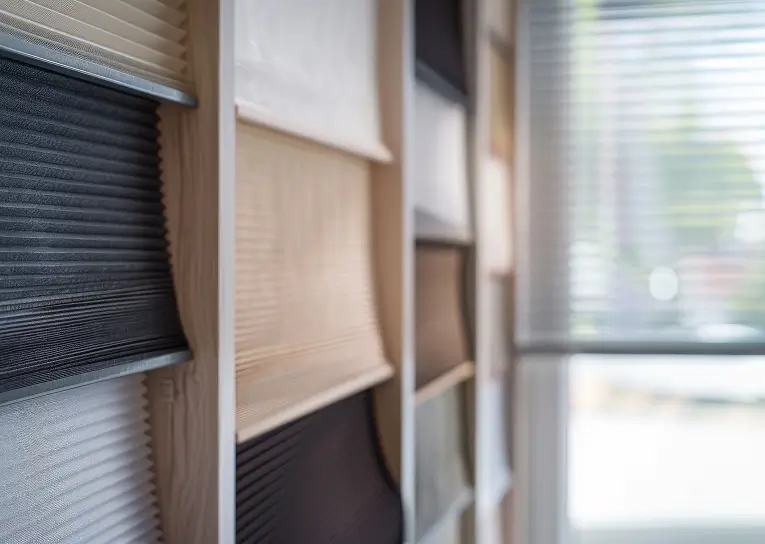
Cellular blinds have a unique honeycomb structure that traps air within pockets.
If energy savings are your priority, these blinds are worth considering. The air pockets act as insulation barriers, reducing heat transfer.
In regions with extreme summers or winters, cellular blinds can improve indoor comfort significantly. They are lightweight, sleek, and available in various opacity levels.
Although slightly more expensive than standard roller blinds, they offer long-term savings through reduced energy consumption
Now that you understand the different types of window blinds, the next step is to select the right one for your specific needs.
A kitchen requires moisture-resistant materials such as aluminum Venetian blinds. A bedroom may benefit from blackout roller or Roman blinds and living rooms often need flexible light control, making zebra or vertical blinds suitable
North-facing rooms receive softer light and may need lighter fabrics, whereas west-facing windows in hot climates require thicker materials to block heat.
Minimalist interiors pair well with roller or cellular blinds. Traditional or warm interiors may benefit from wooden or Roman blinds.
When comparing types of window blinds, always align functionality with design intent rather than choosing purely on appearance.
Many homeowners select blinds solely based on showroom samples without testing them against real-life conditions.
Avoid:
Taking accurate measurements and understanding room conditions prevents costly corrections later.
Pricing varies depending on material, mechanism, and customisation. Basic roller blinds are generally more affordable, while wooden and cellular blinds tend to be more expensive
| Type of Blind | Maintenance Level | Durability | Ideal For |
|---|---|---|---|
| Roller Blinds | Low | High | Bedrooms, apartments |
| Venetian (Aluminum) | Low | High | Kitchens, offices |
| Zebra Blinds | Medium | High | Modern homes |
| Roman Blinds | Medium | Moderate | Decorative spaces |
| Wooden Blinds | Medium | High | Premium interiors |
| Cellular Blinds | Low | High | Energy efficiency |
The cheapest option may not always be the most cost-effective in the long term. For example, cellular blinds can lower cooling expenses, offering better value over the years.
Selecting from the various types of window blinds requires balancing aesthetics, practicality, climate conditions, and lifestyle needs. Whether you prioritise energy efficiency, privacy, modern design, or budget-friendliness, there is a solution tailored to your home.
The key is to realistically evaluate your space. Observe how sunlight moves across the room during the day. Identify privacy concerns. Consider cleaning effort. Then choose accordingly.
With the right selection, window blinds enhance comfort, efficiency, and the overall living experience of your home. To make this process seamless, Ferbo Furnish offers a wide range of premium-quality blinds designed to suit modern homes, combining style, durability, and functionality. Their expert guidance helps you choose the perfect blinds tailored to your specific space and preferences.
Related Product
We would love to speak with you. Feel free to reach out using the below details.
Other related blogs
Cellular blinds and blackout roller blinds are highly effective for reducing heat gain, especially for west-facing windows.
Blinds offer cleaner lines, better light control, and easier maintenance, making them more suitable for modern interiors.
Good quality blinds can last 7–12 years, depending on the material and usage. Aluminum and wooden blinds tend to last longer.
Roller blinds and aluminum Venetian blinds are the easiest to clean and maintain.
WhatsApp us