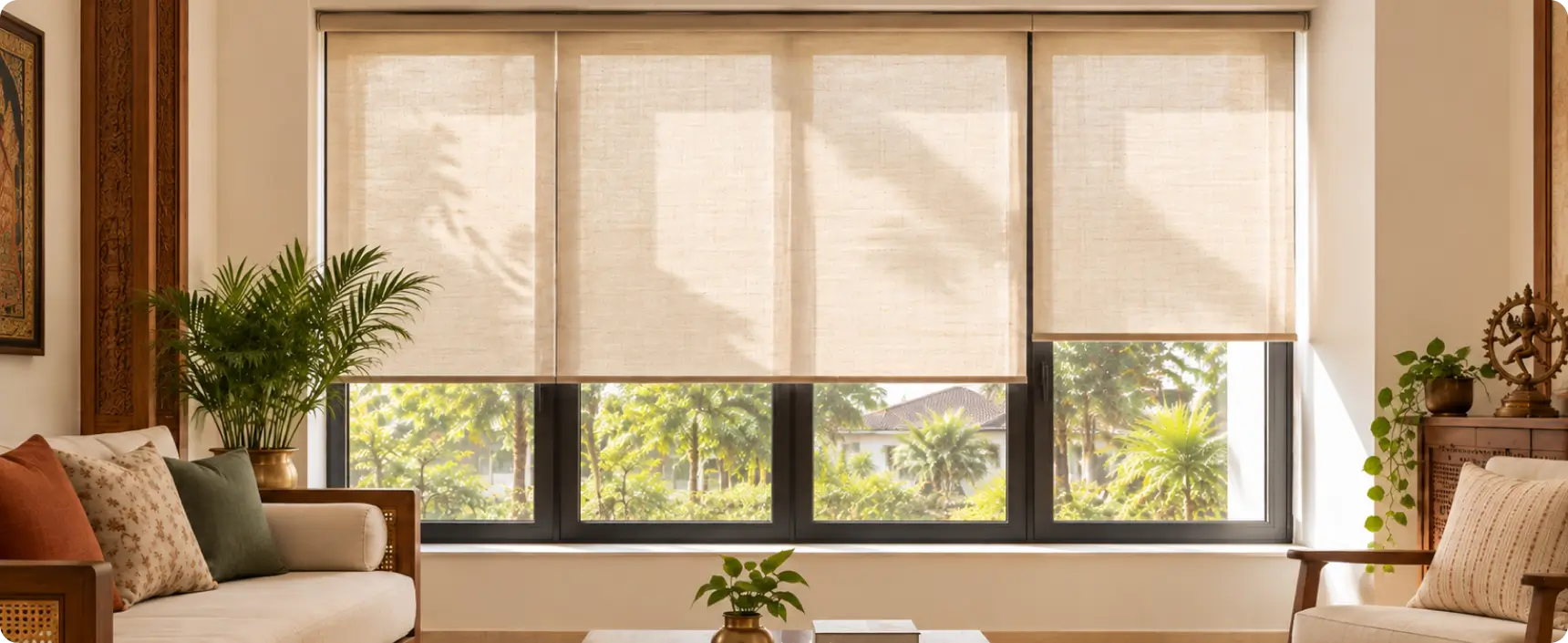
Table Of Content
Does your room look almost finished, but something still feels missing? You may have the right furniture, wall color, and décor, yet bare or outdated windows can make the entire space feel incomplete. The right window treatment can change that.
Windows also influence how comfortable a room feels. According to the U.S. Department of Energy, about 30% of a home’s heating energy can be lost through windows, making window treatments more than just a decorative decision.
That is why choosing the right blinds can be a smart combination of style, privacy, light control, and everyday functionality. From minimalist roller blinds to warm wooden finishes, there are plenty of ways to make your windows a feature rather than an afterthought.
If you’re searching for practical and stylish window blind design ideas, here are 20 options to inspire every room in your home.
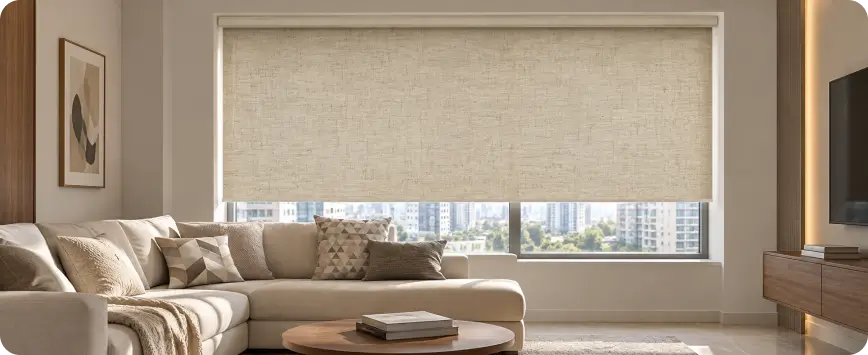
Sometimes, less really is more, and simple roller blinds in neutral shades can give your living room a clean, contemporary appearance without competing with furniture or artwork.
Try white, beige, taupe, or soft grey for a timeless look. If your room already has plenty of patterns, a plain roller blind can create visual balance.

Want your windows to feel a little more luxurious? Roman blinds bring the softness of fabric curtains with the practicality of a blind.
Their structured folds add texture and elegance to living rooms, bedrooms, and dining spaces. For a classic interior, consider linen or textured fabrics in earthy tones.
Wooden blinds can instantly introduce warmth into a room. They work particularly well with timber flooring, natural furniture, rattan accessories, and neutral walls.
You can choose a finish that complements your existing woodwork rather than trying to match everything exactly. For example, light oak tones can work beautifully in Scandinavian-inspired interiors.
Love the look of wood but need something practical? Faux-wood blinds can be a useful alternative in areas where moisture or frequent cleaning is a concern. They offer a similar visual appeal while being suited to practical spaces.
They’re worth considering for kitchens, bathrooms, and utility areas, depending on the specific material and manufacturer’s recommendations.
Morning sunlight can be lovely, unless you’re trying to sleep. Blackout blinds are one of the most practical choices for bedrooms, especially for people who work night shifts, children who nap during the day, or anyone who prefers a darker sleeping environment.
Pair them with curtains if you want an extra layer of insulation and softness.

Not every room needs complete darkness. Sheer or light-filtering blinds allow daylight to enter while helping reduce glare and provide a degree of privacy.
They’re particularly attractive in living rooms where you want to enjoy natural light without leaving the windows completely uncovered.
Can’t decide between privacy and natural light? You don’t necessarily have to choose. Dual roller blinds combine two fabrics or blind layers, allowing you to adjust the amount of light and privacy throughout the day.
For example, use a translucent layer during the afternoon and a blackout layer when you want greater privacy in the evening.
Home offices need a balance between daylight and screen visibility. Venetian blinds allow you to adjust the angle of the slats, giving you control over incoming sunlight and glare.
Choose neutral aluminium or wood-look finishes for a professional appearance that doesn’t distract from your workspace.
Have wide windows or sliding glass doors? Vertical blinds can be a practical solution because their design works naturally with larger openings.
They can also be moved sideways, making them convenient when you regularly need access to a door or large window. Choose a simple fabric or neutral color if you want the installation to blend into the room.
Why choose only one window treatment? Combining blinds with curtains gives you greater control over light, privacy and appearance.
For example, pair a neutral roller blind with full-length curtains in a slightly darker tone. During the day, you can keep the curtains open and adjust the blind as needed. At night, close both for a more enclosed feel.
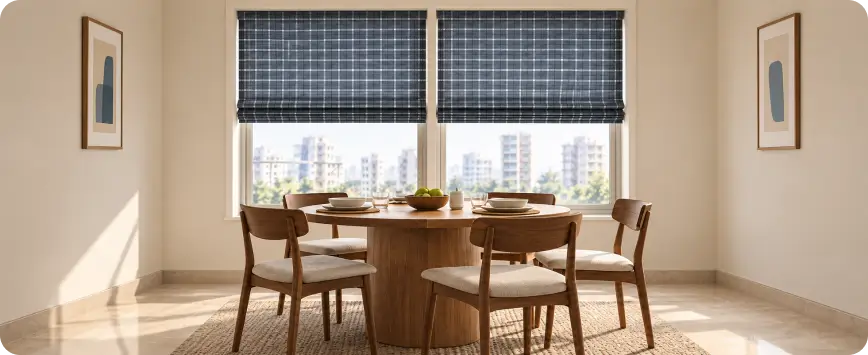
Your dining room is a great place for privacy and to introduce a pattern. Floral, geometric, or botanical prints can make a window more interesting without requiring major changes to the rest of the room.
If your dining furniture is plain, a patterned blind can act almost like artwork.
Children’s rooms don’t always need to follow neutral interior trends. Soft blue, sage green, dusty pink, or warm yellow blinds can introduce personality while keeping the space cheerful.
For younger children, prioritize appropriate safety features and follow the manufacturer’s installation guidance for cords and operating mechanisms.
Imagine opening or closing your blinds without leaving the sofa. Motorized blinds can be especially useful for hard-to-reach windows, large installations, or homes where convenience is a priority.
They can also be incorporated into smart-home routines, depending on the system you choose.
If your interior has a coastal, bohemian, or earthy aesthetic, bamboo or woven blinds can be an excellent match.
Their natural texture adds visual interest while creating a warmer alternative to plain white blinds. Pair them with indoor plants, linen furniture, and natural wood accessories for a cohesive look.

Large windows can become one of the strongest features in a room. Instead of treating them as an afterthought, emphasize their height with a full-length window treatment.
Vertical blinds, large fabric panels, or suitable full-height systems can help create a taller, more dramatic appearance.
Kitchen windows often require privacy without sacrificing daylight. Café-style window treatments cover part of the window, giving you privacy while allowing light to enter from above.
They’re especially charming in traditional, cottage-style or farmhouse kitchens.
Small room? Keep things visually simple. Light-colored blinds can help maintain an airy feeling, particularly when paired with similarly light walls.
Instead of choosing a heavy pattern that draws attention to the window, try cream, off-white, soft grey or natural beige. The goal is to make the window feel integrated rather than visually dominant.
Want something more dramatic? Black or charcoal blinds can create a striking contrast against white walls and light furniture.
This approach works particularly well in modern, industrial, and monochromatic interiors.
The key is repetition. Introduce small black details elsewhere, such as lighting fixtures, picture frames, or furniture legs, so the window treatment feels intentional.
Neutral doesn’t have to mean boring. If your room uses whites, creams, and beiges, introduce interest through texture instead of color.
Think linen-look fabrics, subtle woven finishes, or softly patterned materials. This is one of those window blind design ideas that can make a room feel more layered without dramatically changing its color palette.
If your home has an open-plan layout, consistency can create a polished appearance. You don’t necessarily need identical blinds in every room. Instead, choose complementary styles and colors.
For instance, you might use:
Keeping a consistent color family can tie the entire home together.
With so many choices, how do you narrow them down? Start by asking five simple questions:
A bedroom may need blackout coverage, while a living room may benefit from soft filtered light.
Kitchens and high-traffic areas may benefit from easy-to-clean materials, while decorative fabric blinds may require more care.
Window blinds can also contribute to indoor comfort by helping manage sunlight and heat gain.
The U.S. Department of Energy notes that highly reflective blinds can reduce heat gain when completely closed and lowered, while medium-colored draperies with white plastic backing can reduce heat gains by around 33%.
This doesn’t mean every blind will dramatically reduce your energy bills. Performance depends on the window, blind material, installation, and how the treatment is used. Still, it is worth thinking about functionality alongside aesthetics.
The right blinds can do much more than cover a window. They can soften a room, control sunlight, improve privacy, add texture, and complement your home’s overall style.
Whether you prefer the clean appearance of roller blinds, the warmth of timber, the elegance of Roman shades, or the convenience of motorized systems, the best choice is the one that fits your room and your lifestyle.
When exploring window blind design ideas, don’t simply choose what’s trending. Consider how the room is used, where the window faces, how much privacy you need, and what kind of atmosphere you want to create.
Your windows deserve more than a last-minute covering. With the right design, they can become an important part of your home’s personality while providing everyday comfort and functionality.
Ready to give your windows a fresh new look? Contact Ferbofurnish today to discuss your requirements and explore window blind options designed to complement your space.
Related Product
We would love to speak with you. Feel free to reach out using the below details.
Other related blogs
Blackout roller blinds, Roman blinds with blackout lining, and other suitable blackout systems are popular choices for bedrooms where darkness and privacy are priorities.
Roller, Roman, wooden, and sheer blinds can all work well. Your choice should depend on your décor, privacy needs and desired level of natural light.
Yes. Certain blinds and shades can help reduce solar heat gain when used appropriately, although performance varies by material, window and installation.
WhatsApp us