Table Of Content
Have you ever chosen blinds based solely on appearance, only to realize later that they don’t provide the privacy, comfort, or light control you expected? Window blinds do much more than cover your windows. They influence your home’s energy efficiency, indoor comfort, privacy, and overall aesthetic. Among the many options available today, cellular blinds and roller blinds remain two of the most popular choices, each offering unique benefits.
If you’re unsure which option suits your space best, you’re not alone. Some homeowners prioritize insulation and energy savings, while others prefer a sleek design and easy maintenance.
In this guide, we’ll compare cellular blinds and roller blinds side by side, helping you understand their differences and choose the right solution for your needs, lifestyle, and budget.
| Feature | Cellular Blinds | Roller Blinds |
|---|---|---|
| Design | Honeycomb-shaped fabric cells | Single fabric panel that rolls up |
| Appearance | Soft, textured, structured | Sleek, clean, minimalist |
| Energy Efficiency | Excellent | Moderate |
| Insulation | Superior | Limited |
| Light Control | Light-filtering and blackout options | Sheer, sunscreen, dimout, and blackout options |
| Privacy | High | Depends on fabric selection |
| Noise Reduction | Good sound absorption | Minimal sound reduction |
| Maintenance | Requires gentle cleaning | Easy to clean and maintain |
| Durability | Durable with proper care | Highly durable |
| Customisation | Various cell sizes and fabrics | Extensive fabric and colour choices |
| Cost | Generally higher | Generally more budget-friendly |
| Best For | Energy-conscious homeowners | Modern and minimalist interiors |
Cellular blinds, also known as honeycomb blinds, feature a unique cell-shaped structure that traps air within pockets. These pockets create a layer of insulation between your window and indoor space. Their design goes beyond aesthetics by helping regulate indoor temperatures throughout the year.
How Cellular Blinds Work
The honeycomb cells create an insulating barrier that helps:
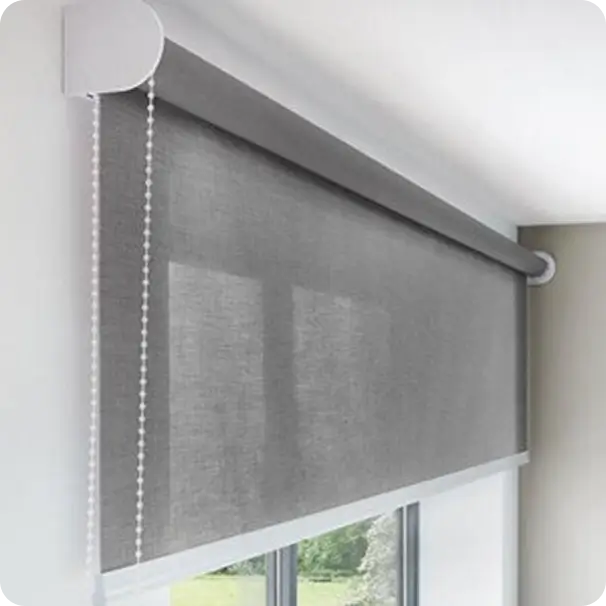
Roller blinds consist of a single piece of fabric that rolls neatly around a tube positioned at the top of the window. Their simple construction and clean appearance make them one of the most versatile window treatments available today.
How Roller Blinds Work
Roller blinds operate using a rolling mechanism that allows the fabric to move up or down smoothly.
Depending on the chosen fabric, they can provide:
Cellular Blinds
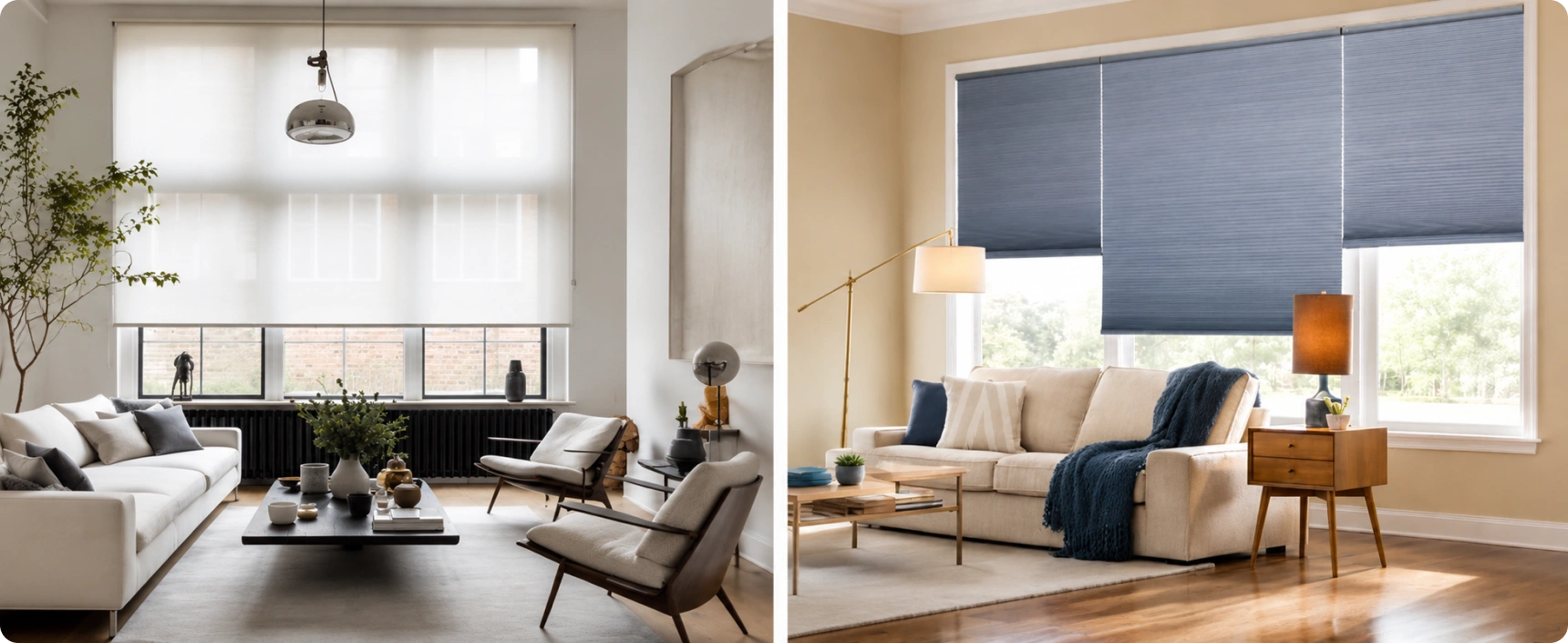
With their honeycomb-shaped design, cellular blinds add texture and depth to a room. They create a warm, inviting look that works well in both contemporary and traditional spaces.
Roller Blinds
Roller blinds feature a sleek, streamlined design that complements modern and minimalist interiors. Their wide range of fabrics and colours makes them highly versatile.
Cellular Blinds
The honeycomb structure traps air within its cells, helping reduce heat transfer through windows. This can improve indoor comfort and support better energy efficiency throughout the year.
Roller Blinds
While roller blinds can help block sunlight, their insulating performance largely depends on the fabric. Thermal and blackout materials offer better results than standard fabrics.
Cellular Blinds
Available in light-filtering, room-darkening, and blackout options, cellular blinds offer flexible control over natural light. Some models also feature top-down bottom-up operation.
Roller Blinds
From sheer and sunscreen fabrics to complete blackout options, roller blinds provide a broader range of light-control choices.
Cellular Blinds
Their layered construction helps maintain privacy while allowing soft, filtered light to enter the room.
Roller Blinds
Privacy levels vary based on the fabric selected. Some materials provide complete coverage, while others may allow visibility under certain lighting conditions.
Cellular Blinds
Thanks to their honeycomb-shaped cells, cellular blinds can help reduce the amount of outside noise entering a room. That’s because the air pockets within the design absorb some sound, making them a good choice for bedrooms, home offices, or homes near busy streets.
Roller Blinds
Roller blinds can soften noise slightly, but they don’t offer much sound insulation. Since they’re made from a single layer of fabric, they’re better suited for spaces where noise reduction isn’t a top priority.
Cellular Blinds
Cellular blinds need a little extra care when cleaning. Their honeycomb structure can trap dust over time, so regular dusting or gentle vacuuming is usually recommended to keep them looking their best.
Roller Blinds
Roller blinds are generally easier to maintain. Most fabrics can be wiped clean with a damp cloth, making them a practical choice for busy households and high-use areas.
Cellular Blinds
When properly maintained, cellular blinds can provide years of reliable performance. However, their delicate structure requires more careful handling.
Roller Blinds
Their simple design and sturdy mechanism make roller blinds well-suited for daily use and long-term durability.
Cellular Blinds
Due to their specialised construction and insulating benefits, cellular blinds generally come at a higher price point.
Roller Blinds
Available in a variety of materials and price ranges, roller blinds are often the more affordable option.

Advantages
Limitations
Advantages
Limitations
Yes, it’s possible to combine different window treatments to enhance both functionality and style. While cellular blinds and roller blinds aren’t typically installed on the same window together, many homeowners pair either option with curtains or drapes to achieve a more layered look.
This approach can offer several benefits, including:
If you’re looking for a window treatment solution that balances comfort, aesthetics, and practicality, layering blinds with curtains can be an effective option.

Choose Cellular Blinds If You Want:
Choose Roller Blinds If You Want:
Choosing between cellular blinds and roller blinds comes down to what matters most in your space. If energy efficiency, privacy, and year-round comfort are your priorities, cellular blinds are a worthwhile investment. Their insulating design can help create a more comfortable and efficient home environment.
Whether you choose cellular blinds for comfort or roller blinds for style, the right window treatment can transform your space. Contact Furbo Furnish for advice and customised blind solutions for your home.
Related Product
We would love to speak with you. Feel free to reach out using the below details.
Other related blogs
WhatsApp us