Table Of Content
Skylight window brings strong natural light into your room, but you’ve probably felt how quickly that turns into heat and harsh glare during peak hours. Your space gets warmer than expected, and even simple things like working, relaxing, or spending time in that room start feeling uncomfortable. Over time, it changes how usable that space really is for you.
Skylight blinds help you fix this without blocking natural light completely. They control the sunlight coming in from above, reduce heat buildup, and soften glare so your room feels more balanced and comfortable.
In this blog, you’ll know how skylight window blinds work and why they can make your everyday living spaces much easier to use.
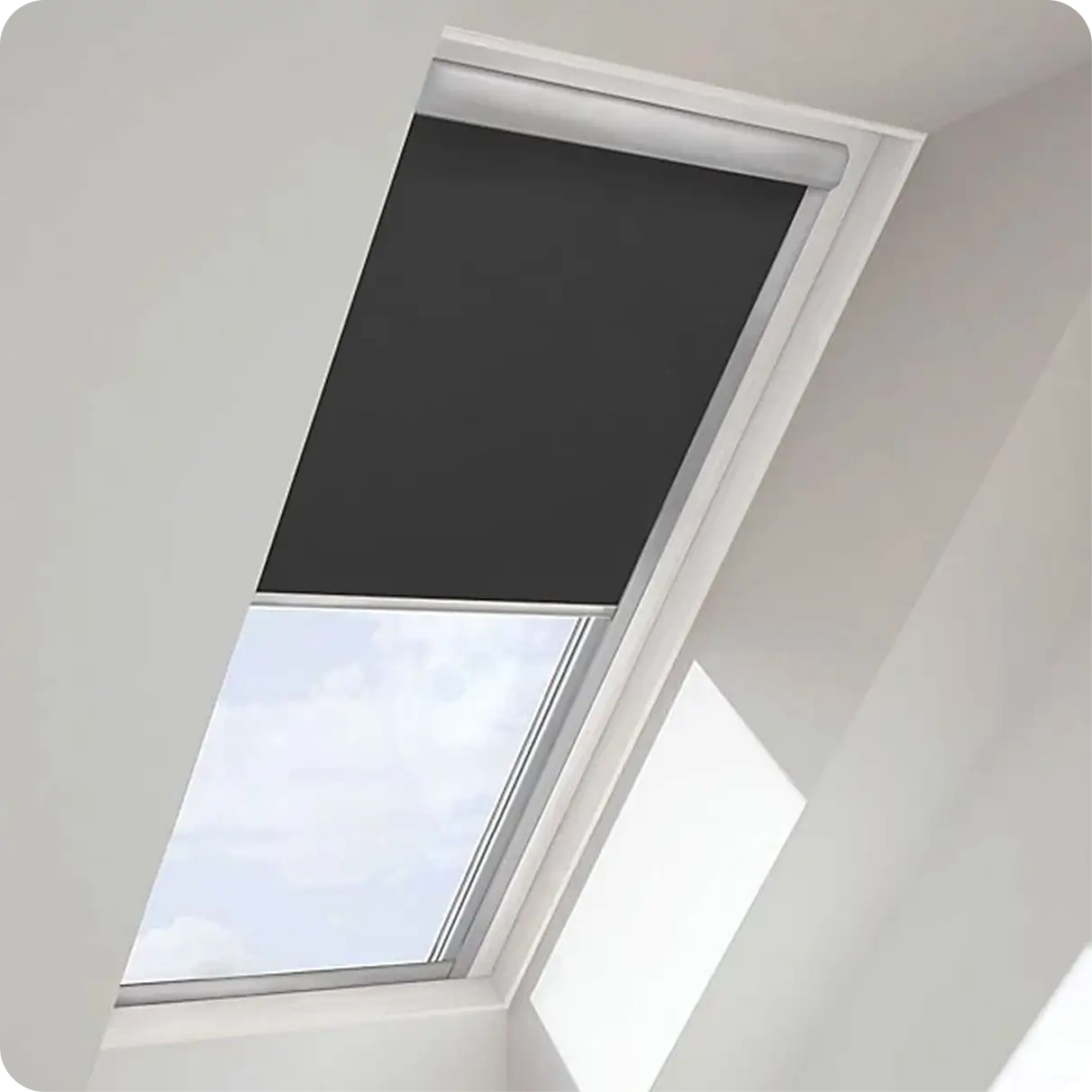
Skylight blinds are window coverings designed specifically for roof or ceiling windows. They’re made to fit angled skylight surfaces where regular blinds or curtains can’t stay in place or function properly.
They help control sunlight entering from above by reducing heat, glare, and brightness while still allowing natural light into the room. Skylight blinds are available in manual and motorised options and are used to improve comfort in sun-exposed spaces.
Skylights are placed on the roof, so they receive direct sunlight from above for most of the day. This angle allows more intense light and heat to enter the room compared to vertical windows, which naturally get filtered by walls and surroundings.
This combination of direct light and heat is why skylight spaces often need proper shading to stay comfortable.

Skylight blinds reduce heat by blocking and filtering direct sunlight before it enters the room through the roof glass. This limits the amount of heat that builds up indoors during the day.
Skylight blinds use thermal or cellular fabrics that slow down heat transfer by trapping air and insulating the space. As a result, less heat enters the room, helping maintain a cooler and more stable indoor temperature even during strong sunlight hours.
Skylight glare happens because light enters directly from above, making screens harder to see and causing eye strain during everyday tasks like working, watching TV, or reading.
Skylight blinds reduce this by diffusing the sunlight as it enters the room. Instead of harsh direct rays, the light is spread out more evenly, which lowers brightness intensity and makes the space easier on the eyes.
The room still stays naturally lit, but without the sharp contrast that causes discomfort. This creates a more usable and balanced environment throughout the day.
Skylight blinds aren’t just for controlling the sunlight entering your space. They help you make your room more comfortable, reduce heat, and protect your interior.
1. Heat reduction : They block direct sunlight before it enters your room, so you feel less heat buildup during the day and your space stays more comfortable.
2. Better energy efficiency: When your room stays cooler, you naturally depend less on fans or air conditioning, which helps you manage energy use better.
3. Stable indoor comfort : They help you maintain a more balanced room temperature, so your space does not swing between too hot and too warm as the day changes.
4. UV protection for interiors : They reduce harmful UV rays entering your room, helping you protect your furniture, fabrics, and flooring from fading over time.
5. Longer life for your décor : With less constant sun exposure, your interiors stay in better condition for longer, keeping your space looking fresh and well maintained.
Now that you understand how skylight blinds improve comfort, it’s important to look at the different types available and how each one works for different lighting and space needs.
Skylight blinds are designed in different styles because every room has different lighting needs. Some spaces need full darkness, some need soft light, and others just need better heat control during the day.
1. Cellular blinds : These have a honeycomb-like structure that traps air inside. This helps reduce heat entering the room and keeps indoor temperatures more comfortable during strong sunlight.
2. Blackout blinds : These are designed to block most or all sunlight. They’re useful in bedrooms or media rooms where you want less brightness and better control over glare.
3. Light-filtering blinds : These allow natural light to enter but in a softer way by reducing harsh glare while still keeping the room bright and pleasant.
4. Motorised blinds : These come with remote or automatic control, making them easy to operate for skylights that are placed high or difficult to reach.
Each type works differently, so the right choice depends on how much light control and comfort you need in that space.

Skylights are usually placed in top-floor or roof-connected spaces to bring in natural light, but these areas often need heat and glare control.
In short, any space with heavy skylight exposure benefits from proper light control.
Choosing skylight blinds depends on your room’s heat, how you use the space, and how easily you can operate the blind. The right choice is simply the one that matches your daily comfort needs.
In short, your choice should depend on how the room behaves and how you use it every day.
Skylight blinds help control natural light without blocking it completely. They reduce heat, limit glare, and protect interiors from long-term sun damage, making rooms more comfortable to use throughout the day. This creates a more balanced indoor environment, especially in spaces with direct overhead sunlight.
Choosing the right skylight blinds improves how your home feels at different times of the day. Ferbo Furnish offers skylight window blinds designed for modern homes where comfort, light control, and functionality matter. Book your free visit today.
Related Product
We would love to speak with you. Feel free to reach out using the below details.
Other related blogs
WhatsApp us