Choosing window coverings sounds simple until you actually start comparing options for your home. Many homeowners begin with a clear idea in mind, only to realize that every blind style changes the mood, lighting, privacy, and maintenance needs of a room.
The debate around roller blinds vs roman blinds has become especially common in modern interiors because both options offer elegance, practicality, and versatility, but they work very differently in daily life.
If you are redesigning a living room, upgrading a bedroom, or fitting out a new apartment, understanding the difference between these two styles can save you money, cleaning time, and even future frustration.
According to a 2025 home interior survey by Houzz, over 63% of homeowners preferred window treatments that combine energy efficiency with low maintenance, which explains why blinds continue to outperform traditional curtains in modern homes. This shift has made the comparison of roller blinds vs roman blinds more relevant than ever.
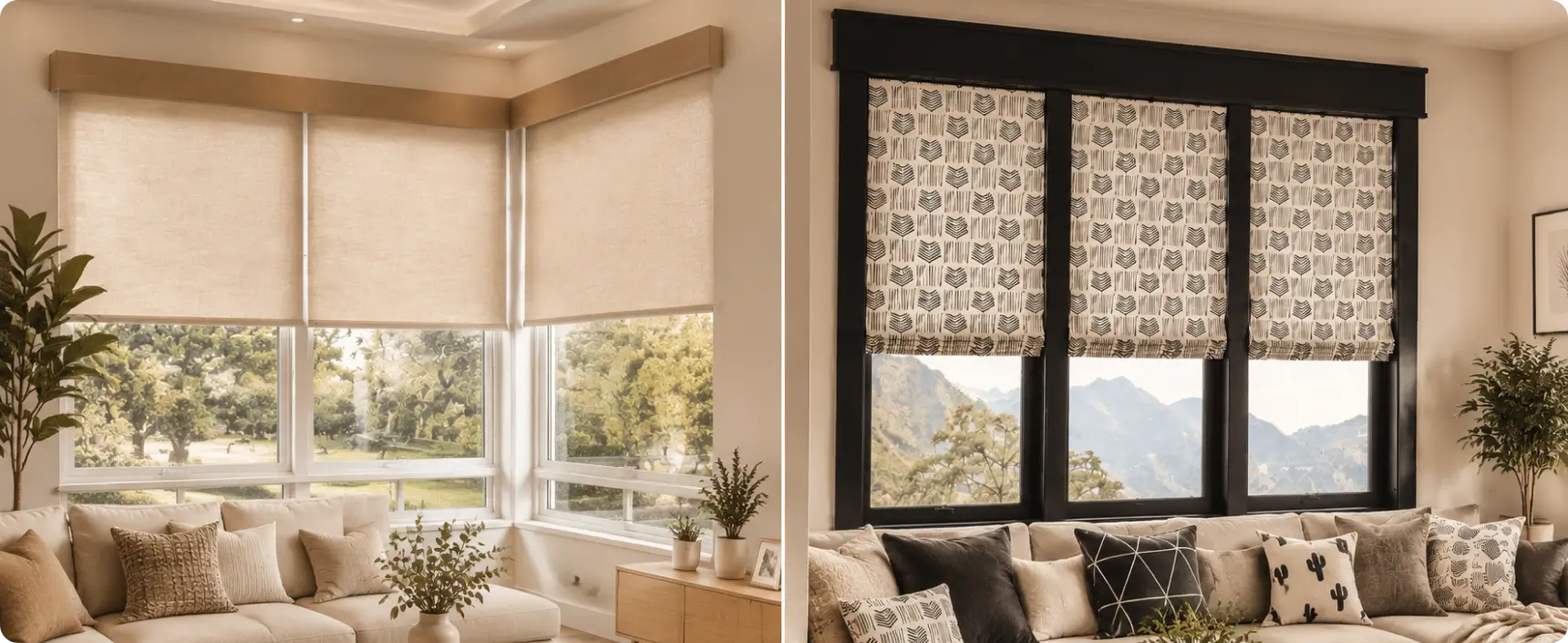
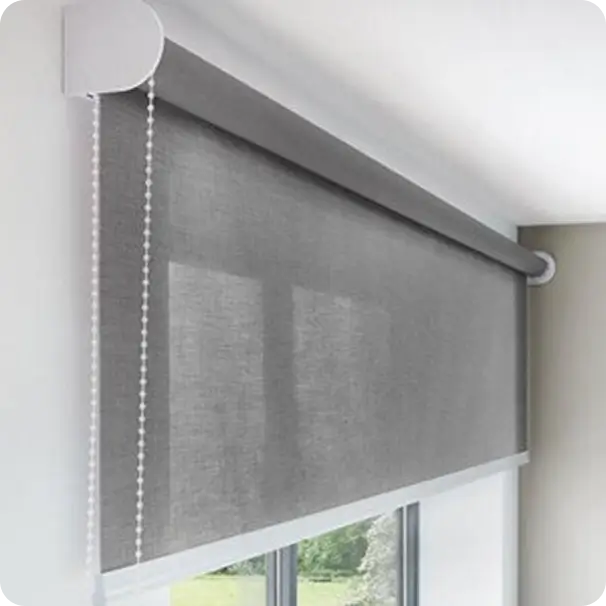
Roller blinds are made using a single piece of fabric that rolls up and down around a tube mechanism. Their design is straightforward, clean, and highly functional, making them one of the most widely used blind styles in modern homes and offices.
One of the biggest reasons homeowners choose roller blinds is simplicity. They fit seamlessly into contemporary interiors where uncluttered spaces and minimal decoration are preferred. For example, if you have a modern apartment with neutral tones, glass windows, and sleek furniture, roller blinds naturally complement that aesthetic without overpowering the room.
Roller blinds also come in several fabric options such as:
Imagine a media room where you regularly watch films during the day. Blackout roller blinds can completely reduce glare and create a theatre-like environment. In contrast, sunscreen roller blinds in a dining room can allow natural light while maintaining daytime privacy.
Their compact design also makes them ideal for smaller spaces because they do not add visual bulk around windows.

Roman blinds use fabric panels that fold into soft horizontal pleats when raised. Unlike roller blinds, which disappear into a neat roll, roman blinds create visible fabric layers that add texture and sophistication to a room.
These blinds are often associated with luxury interiors because the folds create a tailored, designer appearance. Homes with traditional décor, layered textiles, wooden furniture, or warm color palettes often benefit from roman blinds.
For instance, a formal sitting room with upholstered furniture and decorative cushions can feel more complete with linen or velvet Roman blinds. They introduce softness that roller blinds typically do not provide.
Roman blinds are available in numerous fabrics and patterns, including:
Because of their decorative appeal, Roman blinds often act as both a window treatment and a design feature.

When comparing roller blinds vs roman blinds, style is usually the deciding factor.
Roller blinds deliver a streamlined and contemporary appearance. They are subtle and practical, which makes them suitable for modern homes, apartments, workspaces, and minimalist interiors. If your goal is clean architecture and uncluttered visual lines, roller blinds generally fit better.
Roman blinds, however, create warmth and elegance. The layered folds soften a room and make windows appear more decorative. They suit classic interiors, luxury bedrooms, boutique-style spaces, and homes where fabrics play an important role in the design theme.
A practical example can make this clearer. Consider two different bedrooms:
Neither option is universally better. The surrounding interior design determines which style feels more natural.
Functionality is another important factor in the discussion of roller blinds vs roman blinds.
Roller blinds are highly efficient for light control because they can be manufactured using precise blackout or sunscreen fabrics. Their flat structure allows excellent window coverage, especially when fitted correctly within a recess.
For bedrooms, nurseries, and entertainment rooms, roller blinds are often preferred because blackout versions can significantly reduce incoming light.
Roman blinds also provide good light control, especially when lined with blackout materials, but the folded fabric design may allow slightly more light leakage around edges. However, they compensate by creating a softer lighting atmosphere.
For example:
Motorization is another functional advantage often associated with roller blinds. Smart-home integration, remote operation, and app-controlled systems are increasingly popular for larger windows.
Maintenance is where the biggest practical difference often appears.
Roller blinds are generally easier to clean because their flat surfaces collect less dust. Most can be maintained using:
This makes them highly suitable for busy households, kitchens, and homes with children or pets.
Roman blinds require more care because of their fabric folds. Dust can settle in the pleats, and some fabrics may require professional cleaning to maintain their shape and texture.
For example, a white linen roman blind in a dining room may absorb cooking odors or collect dust more quickly than a moisture-resistant roller blind in the same environment.
If low maintenance is your priority, roller blinds are usually the more practical choice.
Durability depends on fabric quality, installation, and daily use, but roller blinds typically last longer in high-use environments due to their simpler mechanism.
Their straightforward rolling system experiences less fabric stress over time. Commercial offices often choose roller blinds precisely because they can withstand regular operation.
Roman blinds feature more stitching, cords, and fabric folds, which may require occasional adjustments over time. Delicate fabrics can also fade if exposed to strong sunlight for extended periods.
That said, premium roman blinds made with high-quality lining and hardware can remain beautiful for many years when properly maintained.
Different rooms often benefit from different blind styles.
Their moisture-resistant materials and easy cleaning make them ideal for functional spaces.
Their soft fabric appearance creates comfort and visual warmth.
Many homeowners actually combine both styles throughout the home rather than choosing only one. For example, roller blinds may work best in practical areas, while roman blinds enhance decorative spaces.
In most cases, roller blinds are more budget-friendly than roman blinds because they require less fabric and simpler manufacturing.
Roman blinds generally cost more due to:
Custom designer fabrics can increase roman blind pricing significantly. However, many homeowners consider the extra cost worthwhile because of the premium look they provide.
The good news is that there is no strict rule saying you must choose only one style for the entire house. Many beautifully designed homes combine roller blinds in functional spaces and roman blinds in relaxation areas to achieve the best balance of practicality and style.
Whether you want sleek modern window coverings for a contemporary apartment or elegant fabric blinds that create warmth and sophistication, Ferbo Furnish offers customized roller blind solutions designed for modern Indian homes.
From premium-quality fabrics and blackout options to smart motorized roller blind systems, Ferbo Furnish helps homeowners find the perfect roller blinds that match their decor, lighting needs, and maintenance preferences. Our wide selection of roller blinds combines practicality with luxury, making it easier to transform any room into a more comfortable and stylish space.
If you are planning a home upgrade in 2026, explore the latest roller blind collections from Ferbo Furnish and give your windows a refined new look that balances beauty, privacy, and long-term durability.
Related Product
We would love to speak with you. Feel free to reach out using the below details.
Other related blogs
WhatsApp us